

In today’s competitive market, maintaining high product quality while maximizing efficiency is crucial for any manufacturer. One of the key technologies facilitating this balance is precision injection technology. This blog post explores how this innovative approach is transforming production processes, leading to better products and streamlined operations.
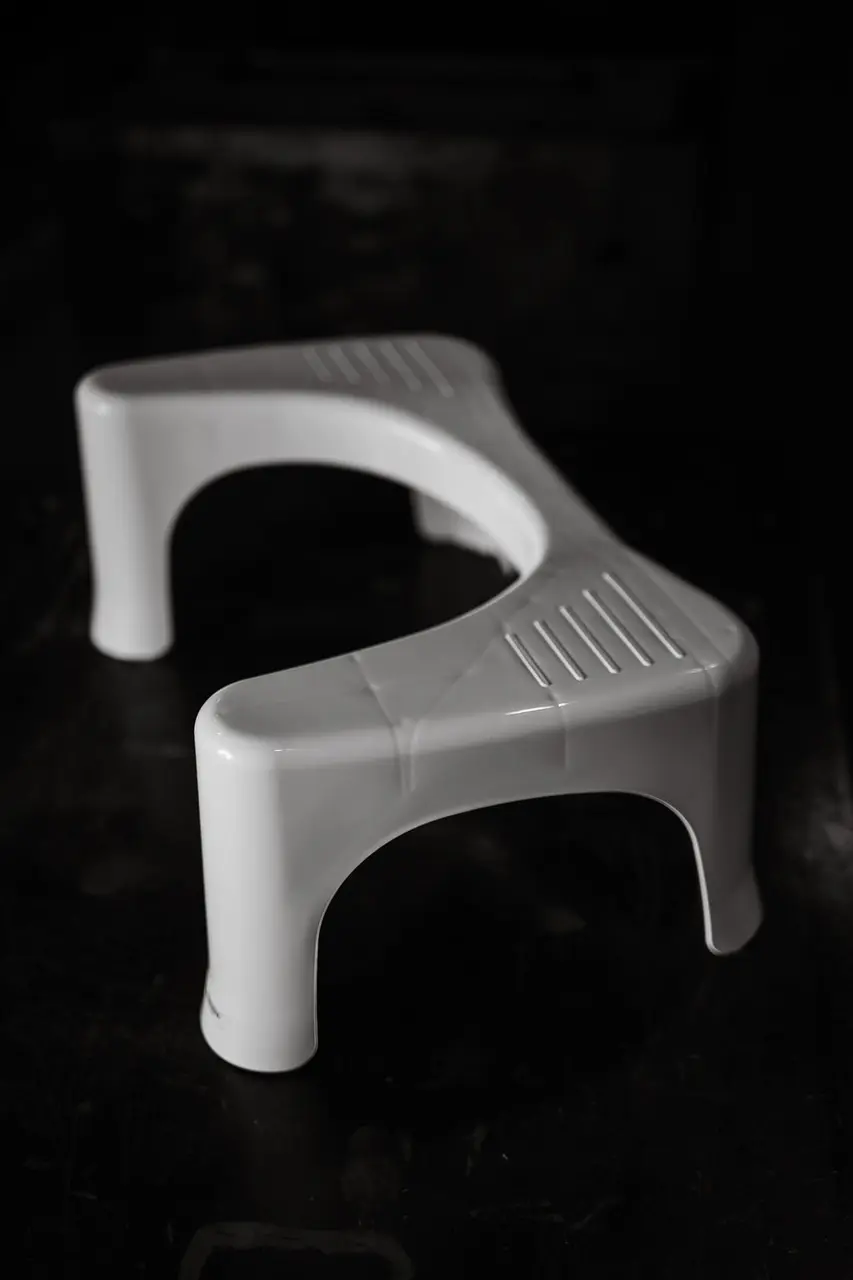
Understanding Precision Injection Technology
Precision injection technology involves the highly controlled process of injecting materials into molds. This section will unpack the fundamentals of this technology, explaining how precise measurements and specifications lead to better end products.
At its core, precision injection relies on meticulous control of variables such as temperature, pressure, and mold design. This precision means less room for error, which is a significant advantage in manufacturing. Think of it like baking a cake: if you don’t follow the recipe precisely, the cake may rise unevenly or even collapse. Similarly, the more accurately the materials are injected into the molds, the better the components will fit together in the final product.
Furthermore, this technology goes beyond just injection. Several innovative techniques are employed to ensure that every component meets exact specifications. For instance, the use of high-tech sensors and software allows manufacturers to monitor the injection process in real-time. This level of oversight can detect discrepancies early, preventing flawed products from reaching the consumer.
Enhancing Product Quality through Precision
One of the standout benefits of precision injection technology is its ability to improve product quality. Here, we will look at how this technology reduces defects and ensures consistency in production, contributing to a superior final product.
Imagine the frustration of receiving a product that doesn’t work as expected due to manufacturing flaws. Precision injection technology significantly diminishes these instances by creating products that meet or exceed quality standards. This reliable quality not only builds consumer trust but also enhances brand reputation. A business that consistently delivers well-made products is likely to foster customer loyalty, which is invaluable in today’s market.
Moreover, precision injection enables the production of intricate designs that were previously unfeasible. An example can be seen in the medical sector, where manufacturers create devices with tiny, complex parts that function effectively together. The higher the precision in creation, the more these components perform seamlessly, ultimately saving lives. Thus, precision injection isn’t just about efficiency; it’s about advancing technology and improving life quality.
Additionally, the sustainability aspect can’t be overlooked. Higher-quality products lead to less waste and fewer returns, which is beneficial for both the environment and the company’s bottom line. By focusing on quality, businesses can create a positive feedback loop where satisfied customers lead to repeat sales, driving the success of the company further.
Boosting Efficiency in Manufacturing Processes
Alongside enhanced quality, precision injection technology also boosts manufacturing efficiency. This section will explore how streamlined processes, faster production times, and minimized waste contribute to overall operational effectiveness.
Efficiency in manufacturing isn’t just about speed; it’s also about optimizing the entire production workflow. With precision injection technology, the automation of the injection process ensures that products are created faster, with reduced human error and production downtime. This increase in efficiency means that companies can meet consumer demands without sacrificing quality, thus maintaining a competitive edge.
Moreover, by reducing material waste—thanks to the precision used in measurements—companies can dramatically cut costs. This is particularly relevant in today’s economy, where resource management is becoming increasingly crucial. Less waste not only leads to a healthier profit margin but aligns with the growing consumer preference for sustainable practices.
In a sense, investing in precision injection technology is investing in the future of manufacturing itself. Companies that adapt to these advancements will find themselves better equipped to handle changing market demands. For instance, custom orders and rapid prototyping become feasible at a scale that was previously unimaginable, allowing companies to pivot quickly and effectively.
Applications Across Various Industries
Precision injection technology is utilized across various sectors including automotive, consumer goods, and medical devices. We will discuss real-world applications of this technology and its impact on different industries.
In the automotive industry, precision injection is critical for producing lightweight yet durable components. These parts not only improve vehicle performance but also contribute to enhanced fuel efficiency. By using high-precision methods, manufacturers can create intricate components, such as fuel injectors, which can significantly enhance the overall reliability of vehicles.
Medical devices represent perhaps one of the most critical applications of precision injection technology. With extremely high stakes involved, the manufacturing of devices such as surgical instruments, implants, and diagnostic tools demands the utmost precision. The ability to produce smaller, more complex components leads to improved patient care and outcomes.
Challenges and Considerations in Implementation
While precision injection technology offers many advantages, there are challenges to consider. This section will address the potential hurdles companies might face during implementation and strategies to overcome them.
One of the primary challenges is the initial investment required for the necessary machinery and training. Although these costs can be significant, they must be viewed as long-term investments. Companies should conduct thorough cost-benefit analyses to understand how quickly they can expect to see a return on such investments.
Another important consideration is the potential learning curve. Transitioning to precision injection technology requires not only equipment upgrades but also staff training. Organizations need to ensure their workforce is well-equipped to handle the technology. Collaborations with technology providers for proper guidance can ease this transition.
Lastly, the sustainability of precision injection technology is a crucial factor to consider. As industries evolve, so do environmental regulations. Companies must remain adaptable, continually assessing their processes to align with higher standards of sustainability, while still leveraging the advantages of precision manufacturing.
Embracing Precision for Future Success
Precision injection technology not only improves the quality of products but also enhances manufacturing efficiency. By adopting this technology, businesses can position themselves for success in an increasingly demanding marketplace.