

Custom plastic molding is revolutionizing product design by offering unparalleled versatility and efficiency. As designers explore new materials and manufacturing processes, understanding the significance of custom plastic molding becomes essential. In this blog post, we’ll delve into why this technique is a game changer in the realm of product development.
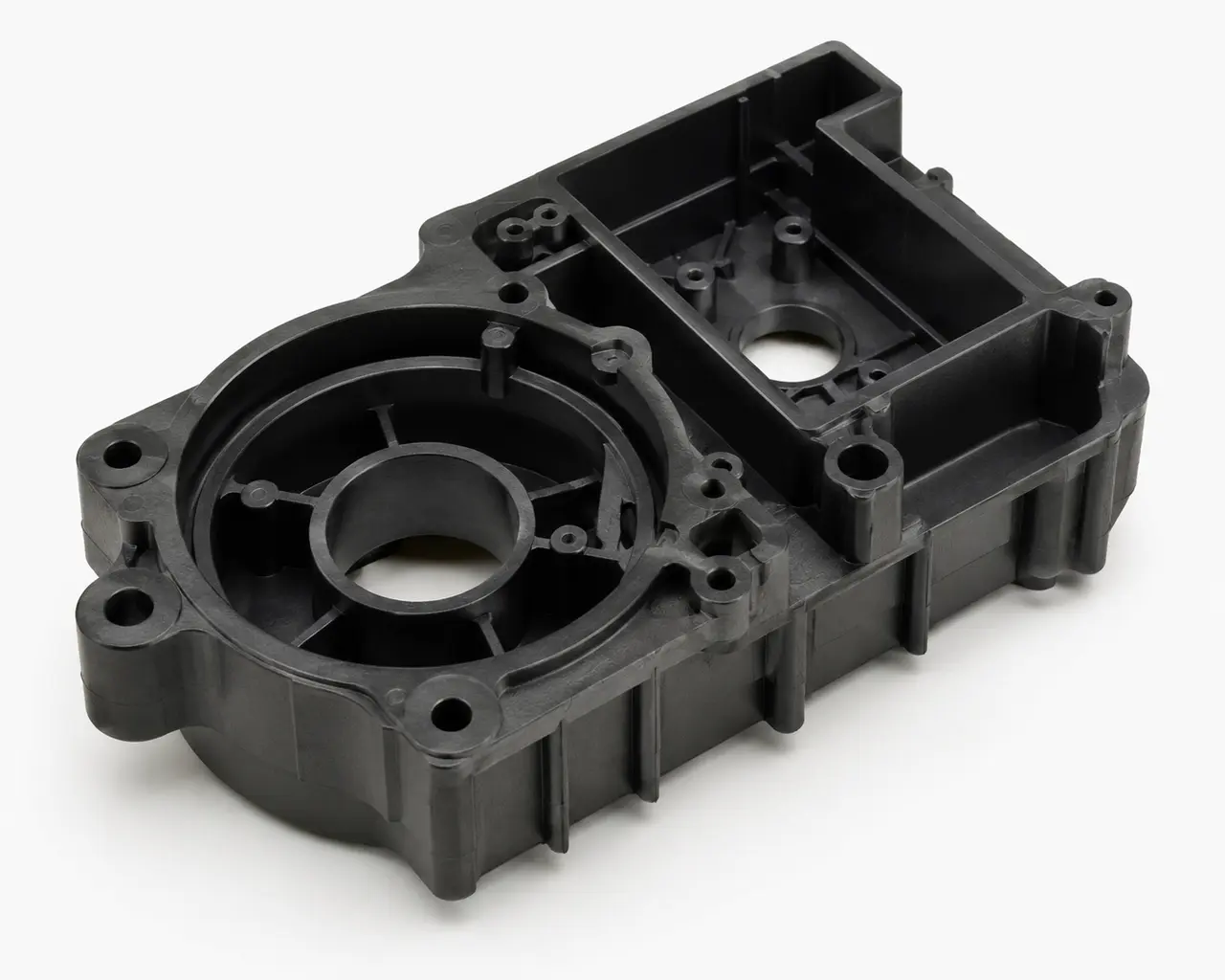
Understanding Custom Plastic Molding
To appreciate the role of custom plastic molding, it’s crucial to first understand what it entails. This section will cover the basics of the process, including different types of molding techniques and their applications in various industries.
Custom plastic molding encompasses a variety of techniques such as injection molding, blow molding, and rotational molding, each suited to different applications. For instance, injection molding is known for its efficiency and precision, making it ideal for large production runs where every piece must be identical. On the other hand, blow molding is favored for creating hollow parts, such as bottles and containers, by forcing air into heated plastic to shape it into the desired form.
Understanding these processes gives insight into how manufacturers can achieve the desired characteristics in their products. If a product requires tough, durable plastic, designers may opt for injection molding with specific composite materials that enhance strength. Alternatively, if the product’s main goal is to be lightweight and cost-effective, using blow molding might be more appropriate. By comprehending these molding methods, designers can select the right one that aligns with their vision.
Therefore, a solid grasp of the various custom plastic molding options not only streamlines the design process but also fosters innovation. Designers who leverage this knowledge can better prepare themselves to meet consumer demands while embracing sustainability practices.
Benefits of Custom Plastic Molding in Product Development
Custom plastic molding offers numerous benefits, from cost savings to design flexibility. This part will explore how these advantages make it an ideal choice for modern product designers looking to create innovative solutions.
One of the most outstanding benefits of custom plastic molding is its ability to achieve high volume production at a relatively low cost. The initial outlay for creating molds may appear steep, but when spread across thousands of units, the per-unit cost significantly drops. This efficiency not only enhances profitability for businesses but also allows designers to divert resources toward refining product quality.
Additionally, custom plastic molding can accommodate intricate designs and precise specifications that traditional manufacturing methods might struggle with. For example, complex geometrical features and tight tolerances become achievable without sacrificing quality. This level of precision opens doors for innovative product designs that can differentiate themselves in competitive markets.
Another key advantage is the versatility of materials. Designers can select from an extensive range of plastic resins, each offering unique properties, such as resistance to heat, chemicals, or impact. This adaptability significantly helps in aligning products with specific performance requirements and market expectations.
In summary, the benefits of custom plastic molding extend beyond mere cost savings; they introduce efficiency, design freedom, and material versatility that become pivotal in modern product development.
Case Studies: Successful Applications of Custom Plastic Molding
Real-world examples speak volumes about the effectiveness of custom plastic molding. This section will showcase various case studies where this molding technique played an integral role in successful product launches.
Consider the case of a well-known electronics company that sought to redesign its product packaging. By utilizing custom plastic molding, they developed eco-friendly packaging that not only reduced material waste but also provided enhanced protection for the contents. The result was a significant reduction in damage rates during shipping, resulting in happier customers and lower return costs.
Another fascinating example features a startup focusing on medical device manufacturing. By incorporating custom plastic molding into their production process, they were able to craft intricate components for syringes and medical instruments with precision that was previously unattainable through traditional methods. The precision of these moldings resulted in devices that conformed strictly to safety standards, thus saving lives and ensuring compliance with regulatory requirements.
These examples illustrate the transformative power of custom plastic molding across various sectors. The adaptability and precision offered through this method empower businesses to innovate and improve their products continually.
Future Trends in Custom Plastic Molding
As technology evolves, so does the landscape of custom plastic molding. Here, we’ll discuss upcoming trends and innovations that may shape how product designers use this technique in the future.
One of the most promising trends is the integration of automation and artificial intelligence into the molding process. This could lead to not only increased efficiency in production but also enhanced quality control. By employing smart systems that monitor the molding process in real-time, manufacturers can catch issues before they result in defective products, ensuring a higher standard of quality.
Furthermore, sustainability is increasingly becoming a defining factor in product design. Innovations in biodegradable and recycled plastics are paving the way for eco-conscious molding options. As consumers become more environmentally aware, products that embrace green materials and practices are likely to gain popularity.
This push toward sustainable practices is not just a trend but a necessity for businesses aiming to thrive in a market that values responsibility. The potential for custom plastic molding to adapt in response to these shifts makes it an exciting field to watch.
Choosing the Right Partner for Custom Plastic Molding
Selecting the right manufacturing partner is pivotal to the success of any product design project. This section will provide tips on what to look for in a custom plastic molding provider to ensure quality results.
First and foremost, assess the experience level of the manufacturer. Participating in industry-specific forums and checking client testimonials are excellent ways to gauge a provider’s reliability. Experienced partners not only have practical knowledge of molding techniques but also understand industry challenges and nuances that can impact production.
Additionally, consider the manufacturer’s technology capabilities. Advanced machinery and software can significantly enhance production quality and efficiency. A reputable molding partner should be open to sharing their manufacturing process and how they use technology to stay ahead of industry standards.
Lastly, communication cannot be overstated in this partnership. A good manufacturer should be responsive and willing to collaborate closely with designers to refine product specifications and resolve issues as they arise. Clear communication channels facilitate smoother processes that result in high-quality final products.
In conclusion, choosing the right partner for custom plastic molding is as important as the design itself. It’s a collaboration that can greatly influence the success of a project, making it essential for designers to conduct thorough research and due diligence.
Wrapping Up the Discussion on Custom Plastic Molding
In conclusion, custom plastic molding is more than just a manufacturing technique; it’s a driving force behind innovation in product design. Its ability to create complex shapes, reduce costs, and enhance functionality allows designers to push the boundaries of creativity. As technology advances, the role of custom plastic molding will likely only grow, paving the way for new possibilities in product design.